Building or renovating a house can be an exciting yet complex process, especially when it comes to framing and roofing. One of the most common questions homeowners ask is: “Can I frame and roof my house without a license?” The answer depends on various factors, including state and local building codes, permit requirements, and whether you’re working on your own home or someone else’s.
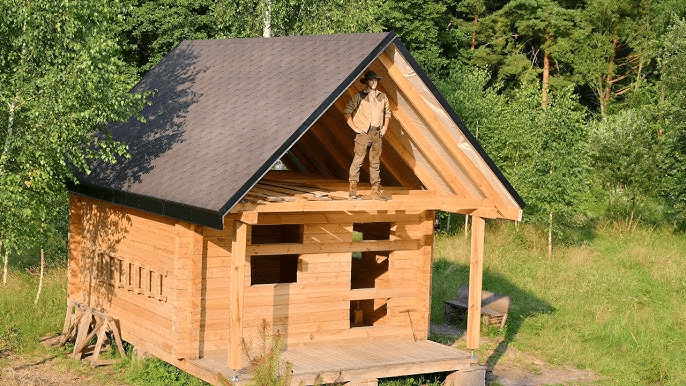
In this comprehensive guide, we’ll explore the legal requirements, risks, and best practices for framing and roofing a house without a contractor’s license.
Read too: Hail Damage Roof Repair: Essential Guide to Restoring Your Home’s Protection
Understanding Licensing Requirements for Framing and Roofing
Before you start construction, it’s essential to understand licensing laws in your area. In the U.S., regulations vary by state, county, and city.
What Does It Mean to Frame and Roof a House?
- Framing involves constructing the skeleton of a house, including walls, floors, and roof supports.
- Roofing refers to installing shingles, metal sheets, or other materials to protect the house from the elements.
Both tasks are labor-intensive and require precision to ensure structural integrity and safety.
Do You Need a License for Framing and Roofing?
In most states, a contractor’s license is required to perform framing and roofing work for someone else or as part of a business. However, some states allow homeowners to work on their own homes without a license, as long as they obtain the necessary permits.
Key Factors That Determine Licensing Requirements
- Location: Each state and city has different building codes.
- Project Scope: Minor repairs may not require a license, but full construction often does.
- Property Ownership: Many states allow homeowners to work on their own properties without a license.
- Permit Requirements: Even if a license isn’t needed, you might still need a building permit.
Can I Frame And Roof My House Without A License?
1. Working on Your Own Home
If you own the house and are building or repairing it yourself, some states allow you to do so without a license. However, there are usually conditions:
- You must live in the home (not for resale or rental purposes).
- You need to follow local building codes and obtain the required permits.
- Inspections are typically required at various stages of construction.
2. Hiring Unlicensed Help
In some cases, homeowners hire unlicensed workers to help with framing and roofing. This can be risky because:
- Many states prohibit hiring unlicensed contractors for major work.
- If something goes wrong, you may have no legal protection against poor workmanship.
- Insurance claims could be denied if an unlicensed worker gets injured.
3. Framing and Roofing for Others
If you plan to frame or roof houses as a business or for someone else’s property, a license is almost always required.
- Many states impose fines or penalties on those who perform contracting work without a license.
- If you get caught, you may face legal consequences or be forced to redo the work.
Permits: The Key to Legal DIY Construction
Even if you don’t need a license, you almost always need a permit to frame and roof your house.
Why Do You Need a Permit?
- Ensures compliance with local building codes.
- Helps prevent structural issues and safety hazards.
- Required for insurance and resale purposes.
How to Obtain a Permit
- Contact your local building department.
- Submit plans and details about your project.
- Pay the permit fee.
- Schedule inspections at key construction stages.
Skipping the permit process can result in fines, forced demolition, or denied insurance claims.
Risks of Framing and Roofing Without a License
1. Safety Hazards
Framing and roofing require precise measurements, strong materials, and proper installation techniques. Mistakes can lead to:
- Structural weaknesses.
- Roof leaks and water damage.
- Injuries from improper handling of tools and materials.
2. Legal Consequences
If you perform unlicensed work that violates building codes, you may face:
- Hefty fines.
- Orders to stop work or redo completed work.
- Lawsuits if the work causes harm or damage.
3. Issues with Home Insurance and Resale
- Insurance companies may refuse claims if unlicensed work caused damage.
- Future home buyers might back out if inspections reveal non-permitted work.
Alternatives to DIY Framing and Roofing
If you’re unsure about framing and roofing on your own, consider these alternatives:
1. Hiring a Licensed Contractor
While it may cost more upfront, working with a licensed contractor ensures:
- Work is up to code.
- Permits and inspections are handled professionally.
- You have legal protection in case of disputes.
2. Acting as an Owner-Builder
Some states allow homeowners to act as their own general contractor. This means:
- You don’t need a contractor’s license.
- You can hire subcontractors for specific tasks.
- You must still obtain permits and schedule inspections.
3. Taking Construction Courses
If you’re serious about DIY home building, taking a construction or carpentry course can provide:
- Knowledge of best practices.
- Hands-on experience.
- Insights into legal requirements.
Frequently Asked Questions (FAQs)
1. What Happens If I Build Without a Permit?
If you frame or roof a house without a permit, you may:
- Be forced to stop work.
- Face fines or penalties.
- Have difficulty selling or insuring the home in the future.
2. Do I Need a License to Repair My Roof?
Minor repairs (such as replacing a few shingles) usually don’t require a license. However, full roof replacements often do.
3. Can I Get a Permit Without a Contractor’s License?
Yes, in many cases, homeowners can obtain a permit to work on their own property. Check with your local building department for specific rules.
4. What’s the Difference Between a Permit and a License?
- A permit is project-specific and ensures work meets building codes.
- A license allows someone to perform construction work legally as a professional.
Conclusion
So, can you frame and roof your house without a license? The answer depends on where you live, the scope of your project, and whether you own the home. While many states allow homeowners to work on their own property without a license, permits and inspections are almost always required.
If you’re considering DIY construction, research local laws, obtain the necessary permits, and ensure that your work meets building codes. If in doubt, consult a professional to avoid legal and safety risks.
Leave a Reply