As temperatures drop and snow begins to fall, many homeowners wonder if it’s safe—or even smart—to tackle a roofing project during the colder months. One of the most common questions contractors hear is: “Does it hurt to roof your house in the winter?” The short answer? Not necessarily. But it does depend on several important factors, including materials, temperature, contractor experience, and the type of roofing system.
This article explores whether roofing in the winter is truly harmful or just misunderstood. We’ll uncover the myths and truths surrounding cold-weather roofing, provide practical advice for homeowners, and help you decide if winter is the right time to roof your house.
Read too: How Long Do Standing Seam Metal Roofs Last? A Comprehensive Guide to Durability and Longevity
What Happens to Roofing Materials in the Winter?
Before diving into the pros and cons, it’s important to understand how cold temperatures affect roofing materials. Different roofing products respond differently to low temperatures, and this can significantly influence the quality of the installation.
1. Asphalt Shingles
Asphalt shingles become brittle in cold weather, which makes them more prone to cracking when nailed or bent. This is especially true below 40°F (4°C). They also have adhesive strips that may not activate properly in low temperatures, reducing their ability to self-seal.
2. Metal Roofing
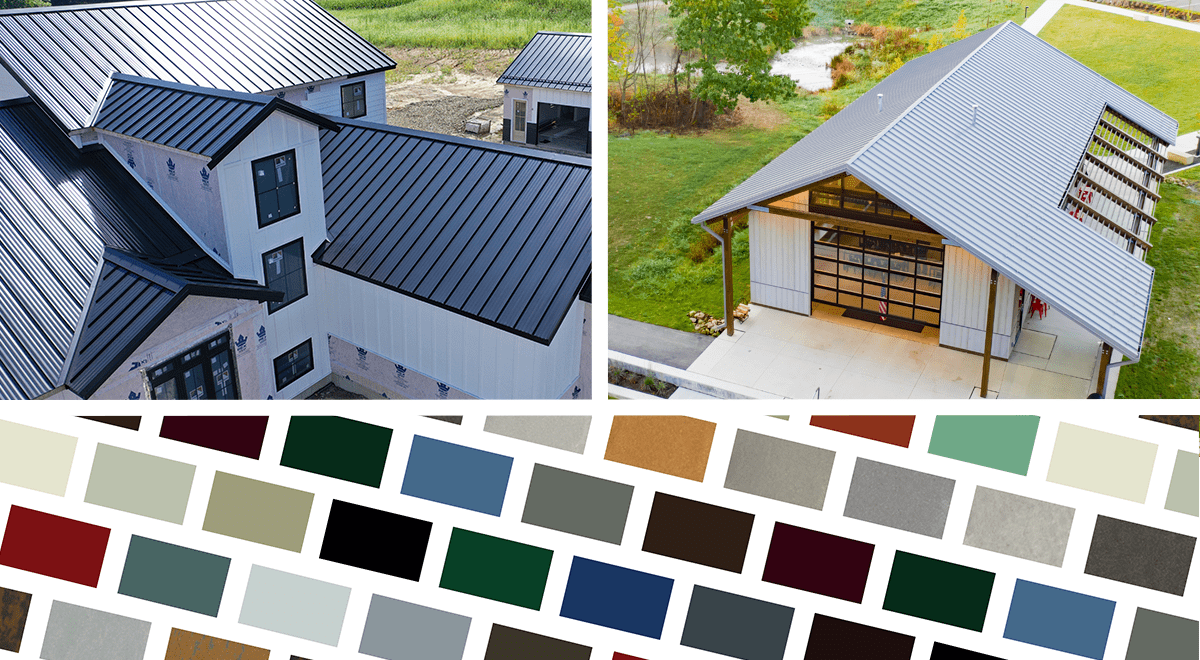
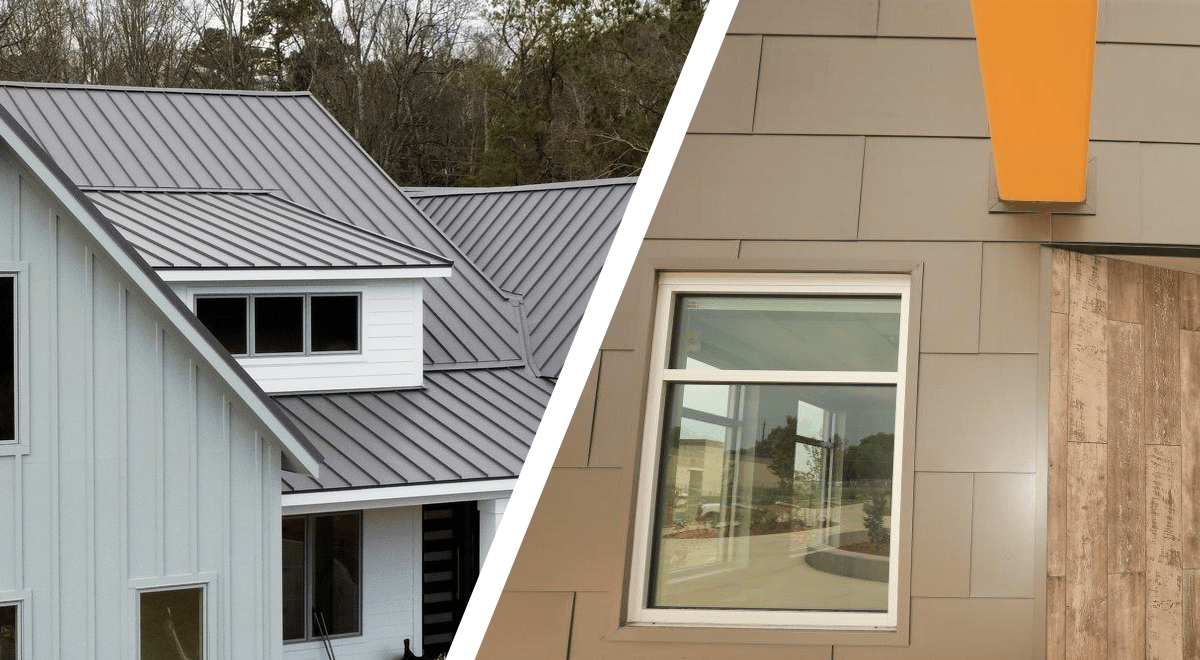
Metal roofing is much less affected by cold temperatures. The panels can still expand and contract with the weather, but installation can proceed with fewer issues compared to shingles.
3. EPDM Rubber and Other Flat Roofing Systems
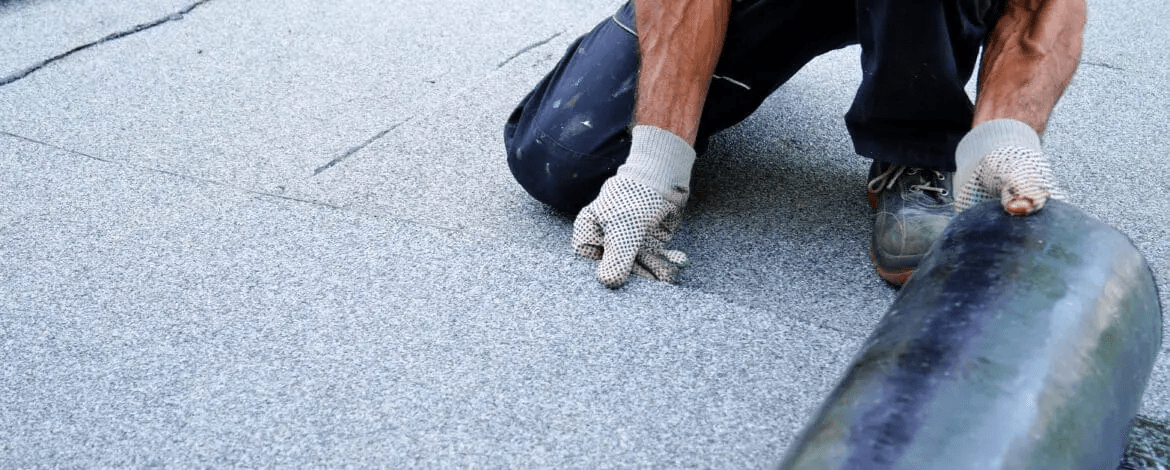
Certain flat roofing materials require adhesives that don’t perform well in the cold. Some adhesives may freeze or fail to bond, potentially compromising the integrity of the roof.
Does It Hurt To Roof Your House In The Winter?
Let’s address the question head-on: Does it hurt to roof your house in the winter? The answer isn’t a simple yes or no—it depends on a variety of conditions.
H2: Does It Hurt To Roof Your House In The Winter? Key Considerations
1. Temperature and Weather Conditions
Roofing in extreme cold (below 20°F or -6°C) is generally not recommended due to material performance and worker safety concerns. Mild winter days, however, can be suitable for certain roofing types if the crew is experienced and takes precautions.
2. Material Type
As mentioned earlier, metal roofing and some synthetic materials hold up better in the cold than traditional asphalt shingles. Roofing in the winter with the wrong material or without proper handling can hurt the roof’s long-term performance.
3. Installer Experience
Experienced contractors know how to adapt their techniques for winter conditions. They can store materials properly, handle brittle shingles with care, and use winter-specific adhesives and sealants to improve outcomes.
4. Roof Condition
If your roof is leaking or damaged and cannot wait until spring, winter roofing may be necessary. In such cases, patching or temporary repairs may prevent further damage until a full replacement is possible.
Benefits of Roofing Your House in the Winter
While it may seem counterintuitive, there are some advantages to roofing your home in the winter, especially when done correctly.
1. Faster Scheduling
Roofers are often in high demand during spring and summer. Winter, being the off-season, usually offers more availability and quicker turnaround times.
2. Cost Savings
Due to lower demand, some contractors offer seasonal discounts during winter. This can lead to savings of 5–15% on labor and materials, depending on your location.
3. Immediate Problem Solving
If your roof is leaking or your shingles are curling, delaying repairs until spring could result in costly interior water damage. Addressing the problem in winter can prevent mold, insulation damage, and structural deterioration.
Risks and Challenges of Winter Roofing
Although it’s possible to roof in winter, it’s not without risks. Here are some of the main challenges you might face:
1. Worker Safety
Snow, ice, and slippery surfaces pose serious safety risks. Reputable contractors follow OSHA guidelines and equip workers with cold-weather gear and fall protection.
2. Material Handling
Brittle shingles can break when nailed. Cold adhesives may not bond effectively. These issues can lead to installation flaws if not addressed properly.
3. Sealant Activation
Some roofing materials rely on the sun’s heat to activate sealants. In cold and overcast conditions, this might not happen, leaving shingles vulnerable to wind uplift.
Best Practices for Winter Roofing
If you choose to roof your home during the winter, following best practices can help ensure the job is done right.
1. Use Cold-Weather Rated Materials
Ask your contractor if the materials they’re using are suitable for low temperatures. Some manufacturers offer shingles and adhesives specifically formulated for cold climates.
2. Proper Material Storage
Ensure that roofing materials are stored in a heated space before use. This prevents them from becoming too brittle and reduces breakage during installation.
3. Watch the Weather Forecast
Schedule work on days with mild weather and minimal wind. Roofing during snowstorms or extremely cold snaps should be avoided.
4. Hire Experienced Roofers
Not every contractor is equipped for winter work. Look for licensed professionals with experience in cold-weather installations.
Alternatives to Full Roofing in Winter
If you’re hesitant to undertake a full roofing project in the winter, consider these alternatives:
Temporary Repairs
Tarping, sealing leaks, or applying temporary patches can prevent further damage until a full replacement can be done in spring.
Partial Replacement
If only a portion of your roof is damaged, it may be possible to do a partial fix now and complete the job later.
Myths About Winter Roofing
Let’s debunk a few common myths:
Myth 1: “You Can’t Roof in the Winter”
Fact: You can roof in winter if the weather is mild, materials are suited for it, and the crew is experienced.
Myth 2: “Winter Roofs Don’t Last”
Fact: A properly installed winter roof can last just as long as one installed in spring or summer.
Myth 3: “Snow Insulates Your Roof”
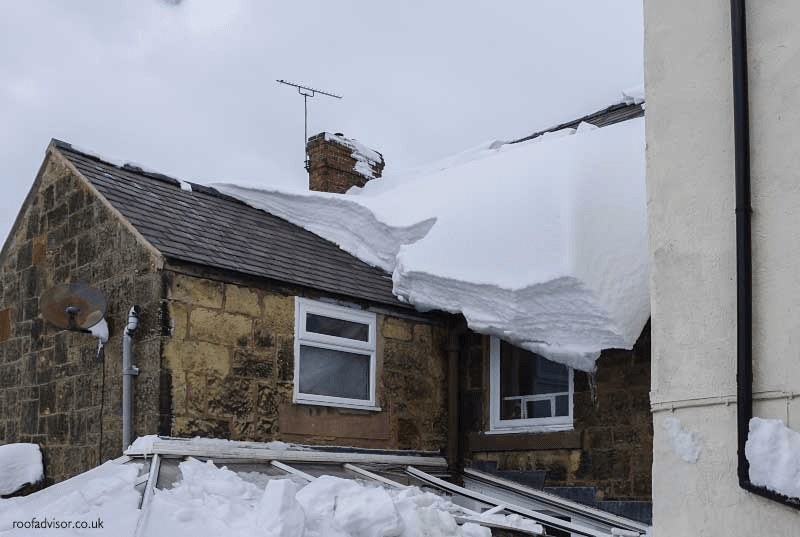
Fact: Snow can cause ice dams and weight-related structural issues. Leaving snow on a damaged roof is never a safe solution.
Regions Where Winter Roofing is More Common
Winter roofing is more common in areas where cold temperatures are the norm for several months of the year. Contractors in northern states like Minnesota, Michigan, and Maine are often well-equipped to handle cold-weather installations. In contrast, areas that rarely see snow or freezing temperatures may have roofers less familiar with winter-specific techniques.
Should You Roof Your House This Winter?
So, does it hurt to roof your house in the winter? If your roof is leaking or showing signs of serious wear, waiting until spring might not be wise. With the right materials, experienced professionals, and mild weather, winter roofing can be done safely and effectively.
However, if the roof is structurally sound and cosmetic issues are the only concern, postponing the work until spring might offer better conditions for certain materials and a wider pool of available contractors.
Final Thoughts
Roofing in the winter isn’t always ideal—but it’s far from impossible. With careful planning, quality materials, and the right contractor, you can get a durable, long-lasting roof even in the middle of January. The key is understanding the limitations and managing the risks effectively.
To recap:
- Winter roofing is possible with the right precautions.
- It doesn’t necessarily hurt your house if done properly.
- Some materials perform better than others in cold weather.
- Proper planning and experienced installers are essential.
If you’re facing a roofing emergency or simply want to take advantage of off-season pricing, don’t let winter scare you off. Just make sure you go into the project informed and prepared.
Leave a Reply