If you’ve scheduled a roof inspection, you may wonder: Does A Roofer Need To Come Inside Your House? It’s a fair question—especially if you value privacy or want to prepare your home in advance.
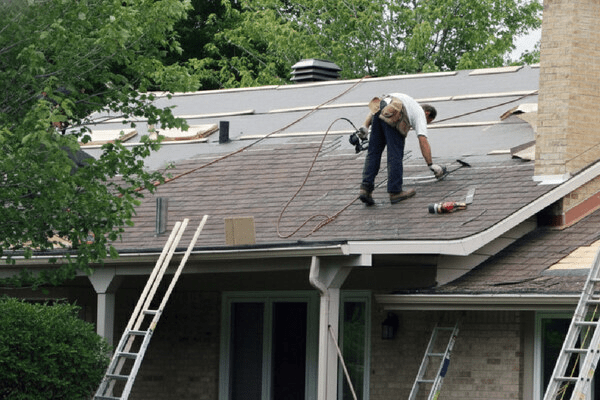
In many cases, the answer is yes, briefly. A professional roofer may need attic or ceiling access to confirm leak sources, ventilation health, and hidden damage you can’t see from outside. This guide explains when interior access is necessary, what they look for, and how to get ready.
Read too: Hail Damage Roof Repair: Essential Guide to Restoring Your Home’s Protection
Does A Roofer Need To Come Inside Your House for an Inspection?
Short answer: Sometimes, and for good reason.
Exterior inspections reveal shingle, flashing, and gutter issues. But water intrusion, insulation damage, and ventilation problems are often only visible from inside—especially in the attic.
| Situation | Inside Access Needed? | Why |
|---|---|---|
| Active ceiling leak | ✅ | Trace water path from above |
| Suspected mold/musty smell | ✅ | Check damp insulation/wood |
| Poor attic ventilation | ✅ | Inspect airflow and vents |
| Routine shingle estimate | ❌ | Exterior is sufficient |
| Storm damage claim | ✅ | Document interior impact |
What Roofers Look for Inside Your Home
A trained roofer spends 5–15 minutes indoors, usually in the attic.
1) Leak Tracing from the Attic
Water rarely drips straight down. It travels along rafters before staining ceilings.
They check for:
- Dark wood staining
- Damp insulation
- Daylight through roof boards
- Rusted nail tips (condensation sign)
2) Ventilation & Moisture Balance
Poor airflow shortens roof life by years.
They examine:
- Soffit vents (air intake)
- Ridge/gable vents (exhaust)
- Mold or mildew on sheathing
3) Structural Deck Condition
Soft or sagging roof decking can’t be seen from outside.
Why Exterior Checks Alone Can Miss the Real Problem
Homeowners are often surprised that the visible shingle area looks fine. Yet inside, there may be:
- Slow leaks from flashing
- Ice dam damage from winter
- Condensation buildup from humidity
- Insulation soaked from minor drips
This is why reputable contractors request attic access before giving a final diagnosis.
For background on roof structures and decking, see Wikipedia: Roof:
https://en.wikipedia.org/wiki/Roof
Real-World Example
A homeowner noticed a brown ceiling stain after rain. Outside, shingles looked perfect. Inside the attic, the roofer found:
- A tiny flashing gap near a vent pipe
- Water traveling 6 feet along a rafter
- Insulation fully saturated
Without going inside, the true source would have been missed.
How Long Will the Roofer Be Inside?
Usually under 15 minutes.
They may:
- Access attic via hatch/garage ladder
- Use a flashlight to scan decking
- Take photos for documentation
- Exit without disturbing belongings
No furniture moving. No invasive work.
How to Prepare Your Home (5-Minute Checklist)
| Task | Why It Helps |
|---|---|
| Clear attic hatch area | Easy access |
| Provide small ladder if needed | Faster entry |
| Turn on attic light | Better visibility |
| Secure pets | Safety |
| Mention leak history | Speeds diagnosis |
Privacy & Safety Concerns (Common Worries)
Professional roofers:
- Do not enter living spaces unless ceiling damage is present
- Stay only in attic/garage access areas
- Often take photos instead of prolonged inspection
- Carry insurance and identification
You can always request they explain what they’re checking.
When You Can Politely Decline Interior Access
You may not need interior inspection if:
- You only want a reroof estimate
- No leaks, stains, or ventilation issues exist
- Roof is being replaced regardless of condition
However, understand this may limit diagnostic accuracy.
Benefits vs Drawbacks of Letting a Roofer Inside
| Benefits | Drawbacks |
|---|---|
| Accurate leak source detection | Minor privacy concern |
| Identify hidden rot/mold | Brief interruption |
| Better insurance documentation | Attic dust disturbance |
| Prevent future costly damage | — |
The benefits usually outweigh the inconvenience.
Signs You Should Definitely Allow Interior Inspection
- Ceiling stains after rain
- Peeling paint near roofline
- Musty attic smell
- High energy bills (ventilation issue)
- Ice dams in winter climates
FAQ — Does A Roofer Need To Come Inside Your House?
Q1: Can a roofer diagnose leaks from outside only?
Not reliably. Water paths are visible from attic wood and insulation.
Q2: Will they enter bedrooms or living rooms?
No, unless there’s visible ceiling damage to inspect.
Q3: Is attic inspection messy?
No. Professionals avoid stepping on insulation and leave no trace.
Q4: How long does it take?
Typically 5–15 minutes.
Q5: Can I be present during the inspection?
Absolutely. Most homeowners accompany the roofer.
Q6: What if I don’t have an attic?
They may inspect ceiling areas where stains appear.
Conclusion
So, Does A Roofer Need To Come Inside Your House? In many cases, yes—and it’s often the key to finding the real cause of leaks, ventilation problems, and hidden damage. The visit is brief, non-invasive, and can prevent costly misdiagnosis.
If this guide helped you feel more prepared, share it on social media to help other homeowners know what to expect during a roof inspection.


Leave a Reply