How Thick Is 26-Gauge Metal Roofing? Understanding the thickness of 26-gauge metal roofing and its implications for durability and performance.
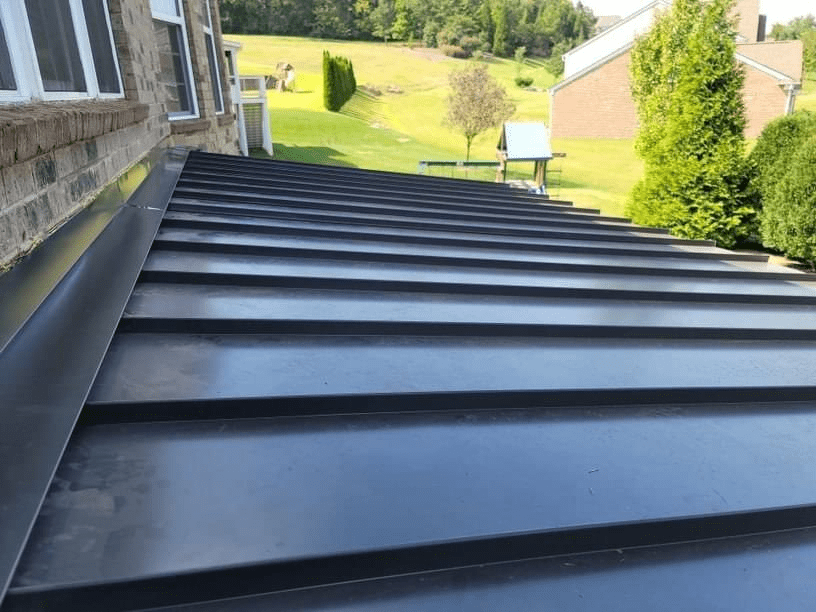
Exploring How Thick Is 26-Gauge Metal Roofing
How thick is 26-gauge metal roofing determines its strength and suitability for different applications. It’s crucial to comprehend this measurement when considering metal roofing options.
What Does Gauge Mean in Metal Roofing?
In the context of how thick is 26-gauge metal roofing, gauge refers to the thickness of the metal sheet. The higher the gauge number, the thinner the metal. Conversely, lower gauge numbers indicate thicker metal sheets.
Factors Affecting the Thickness of 26-Gauge Metal Roofing
Several factors influence how thick is 26-gauge metal roofing:
- Metal Type: Different metals (steel, aluminum, copper) have varying thicknesses for the same gauge number.
- Manufacturing Standards: Gauge standards can vary slightly between manufacturers and regions.
- Coatings: Coated metal sheets may have a slightly different thickness due to the coating applied.
Read too: Is It Reasonable to Ask the Seller to Replace the Roof?
Typical Thickness of 26-Gauge Metal Roofing Materials
For common materials used in 26-gauge metal roofing:
- Steel: Approximately 0.0185 inches or 0.47 millimeters.
- Aluminum: Around 0.0217 inches or 0.55 millimeters.
- Copper: Roughly 0.021 inches or 0.53 millimeters.
Comparing 26-Gauge Metal Roofing with Other Gauges
Understanding how thick is 26-gauge metal roofing in comparison to other gauges provides perspective:
- 22-Gauge: Thicker and more durable, suitable for industrial applications.
- 29-Gauge: Thinner and lighter, often used in residential roofing.
Advantages of 26-Gauge Metal Roofing
Choosing 26-gauge metal roofing offers several advantages:
- Strength: Provides sufficient durability for residential and commercial roofs.
- Weight: Lighter than thicker gauges, reducing structural load.
- Cost-Effectiveness: Balances cost with performance for many roofing projects.
Considerations When Using 26-Gauge Metal Roofing
Factors to consider with 26-gauge metal roofing:
- Climate: Suitable for moderate to harsh climates with proper installation and maintenance.
- Installation: Requires skilled installation to ensure longevity and performance.
- Maintenance: Regular inspections and upkeep are essential to extend the roof’s lifespan.
Applications of 26-Gauge Metal Roofing
How thick is 26-gauge metals roofing influences its applications:
- Residential Roofing: Ideal for homes seeking durable, long-lasting roofing solutions.
- Commercial Buildings: Suitable for a wide range of commercial applications, from warehouses to office complexes.
- Agricultural Structures: Provides reliable protection for barns and agricultural buildings.
Conclusion
In conclusion, how thick is 26-gauge metals roofing impacts its performance and suitability for various construction projects. Understanding this measurement helps homeowners, contractors, and builders make informed decisions when selecting roofing materials.
Leave a Reply