Standing seam metal roofing is renowned for its durability, longevity, and aesthetic appeal in residential and commercial buildings alike. A critical consideration when choosing standing seam metal roofing is the gauge of the metal used. In this comprehensive guide, we delve into the importance of gauge in standing seam metal roofing, factors influencing gauge selection, and how it impacts the overall performance and cost of your roof.
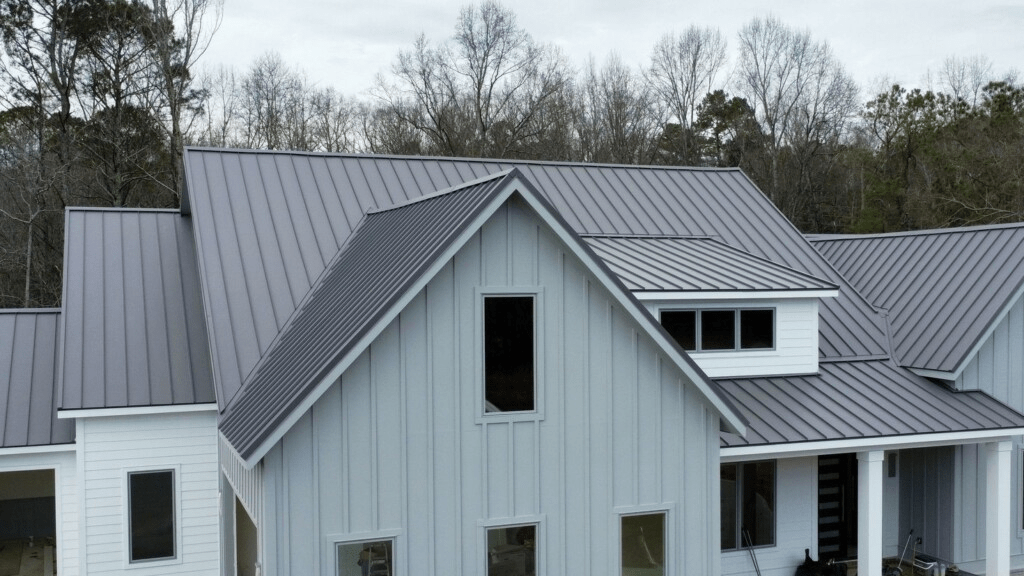
What Gauge Is Standing Seam Metal Roofing?
Understanding the gauge of standing seam metal roofing is fundamental to making informed decisions about your roofing project. The term “gauge” refers to the thickness of the metal sheeting used in the roofing panels. It is typically measured in gauge numbers, with a lower number indicating thicker metal. Common gauges for standing seam metal roofing range from 22 to 29, with 22 being the thickest and 29 the thinnest.
Importance of Gauge in Standing Seam Metal Roofing
The gauge of the metal roofing panels directly influences several key aspects of the roof’s performance and longevity:
1. Durability and Strength
Thicker gauges, such as 22 or 24, offer enhanced durability and strength against harsh weather conditions, impacts, and structural loads. Thicker panels are less susceptible to denting or damage from hail, fallen branches, or heavy snow loads, making them ideal for regions with severe weather patterns.
Read too: Decoding Timelines: How Long Does It Take To Replace A Roof and What to Expect
2. Longevity
Thicker gauges generally correlate with longer lifespan and reduced maintenance requirements. Thicker panels are more resistant to corrosion and rust, ensuring the roof maintains its integrity over decades without needing replacement or extensive repairs.
3. Aesthetic Appeal
The gauge of the metal can also impact the appearance of the roof. Thicker gauges provide a more substantial look and feel, which some homeowners prefer for its architectural presence. Thinner gauges may offer a sleeker, more modern appearance but may not have the same robustness.
Factors Influencing Gauge Selection
Choosing the right gauge for your standing seam metal roofing involves considering various factors:
1. Climate and Weather Conditions
The climate of your region plays a significant role in gauge selection. Areas prone to extreme weather, such as heavy snow or high winds, benefit from thicker gauges that offer better protection and structural integrity.
2. Budget
Thicker gauges typically come at a higher cost due to the increased material and manufacturing expenses. Your budget will influence whether you opt for a thicker gauge for enhanced durability or a thinner gauge for cost savings.
3. Building Codes and Requirements
Local building codes may specify minimum requirements for roofing materials, including gauge. Ensure your chosen gauge meets or exceeds these requirements to comply with local regulations and ensure the roof’s performance and longevity.
4. Roof Pitch and Design
The pitch of your roof and its design complexity can also impact gauge selection. Steeper roofs may require thicker gauges to withstand the gravitational forces exerted on the panels, whereas lower-pitched roofs may have more flexibility in gauge selection.
Common Gauges Used in Standing Seam Metal Roofing
Let’s explore the most common gauges used in standing seam metal roofing and their typical applications:
1. 22 Gauge
- Thickness: Approximately 0.0313 inches
- Characteristics: Thickest and most durable option, suitable for commercial buildings and areas with severe weather conditions.
2. 24 Gauge
- Thickness: Approximately 0.0239 inches
- Characteristics: Provides excellent durability and strength, commonly used in residential and commercial applications.
3. 26 Gauge
- Thickness: Approximately 0.0187 inches
- Characteristics: Versatile option balancing durability and cost-effectiveness, suitable for residential and light commercial roofing projects.
4. 29 Gauge
- Thickness: Approximately 0.0142 inches
- Characteristics: Thinnest gauge, economical choice for residential applications in milder climates with less severe weather.
Choosing the Right Gauge for Your Project
Selecting the appropriate gauge for your standing seam metal roofing involves assessing your specific needs, preferences, and budget constraints. Consider consulting with roofing professionals or manufacturers to determine the best gauge based on your location, building type, and desired aesthetic.
Conclusion
In conclusion, the gauge of standing seam metal roofing is a critical factor that influences durability, longevity, and performance. Understanding the differences between gauges allows homeowners and builders to make informed decisions that align with their specific requirements and budget. Whether you prioritize strength and durability or cost-effectiveness and aesthetic appeal, choosing the right gauge ensures your standing seam metal roof provides reliable protection and enhances the overall value of your property.
Leave a Reply