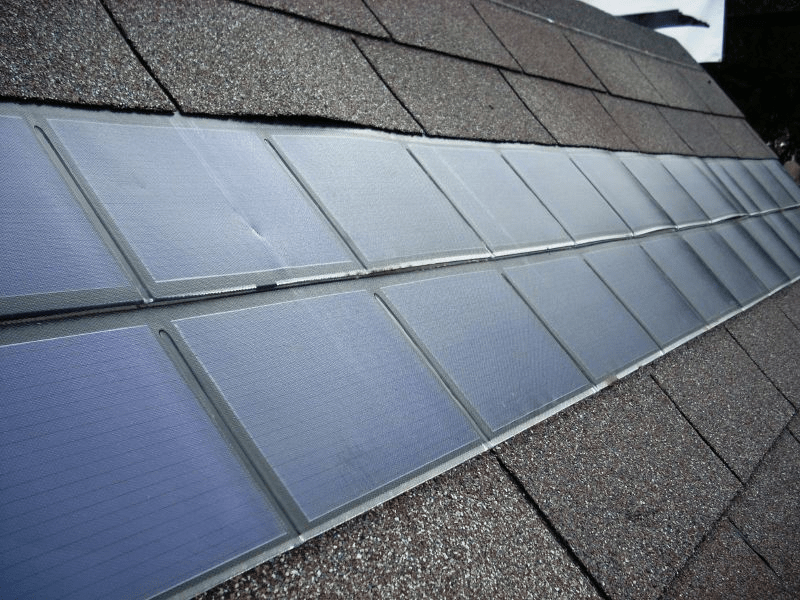
In today’s era of sustainable living, integrating solar panels onto your roof is not just environmentally friendly but also economically savvy. If you’re considering upgrading your home with solar energy while maintaining the integrity of your roof, learning how to replace roof shingles with solar panels is a crucial step. This guide will walk you through everything you need to know to successfully undertake this project.
Understanding the Basics of Solar Panel Installation
Before diving into replacing your roof shingles with solar panels, it’s essential to grasp the fundamentals of solar panel installation. This includes understanding the types of solar panels available, their efficiency ratings, and how they interact with different roof types. Each roof material, whether asphalt, tile, or metal, presents unique challenges and considerations when installing solar panels.
Assessing Your Roof’s Suitability
Not every roof is suitable for solar panel installation. Factors such as roof orientation, shading from nearby trees or structures, and the age and condition of your roof should all be evaluated before proceeding. A professional assessment from a certified solar installer can provide invaluable insights into whether your roof is conducive to solar panel integration.
Read too: Is It Reasonable to Ask the Seller to Replace the Roof?
Steps to Replace Roof Shingles with Solar Panels
Step 1: Planning and Preparation
Begin by conducting a thorough assessment of your energy needs and goals. Calculate your current energy consumption and determine how many solar panels you’ll need to achieve your desired energy offset. Consider consulting with a solar energy expert to ensure your system is appropriately sized.
Step 2: Roof Inspection and Repair
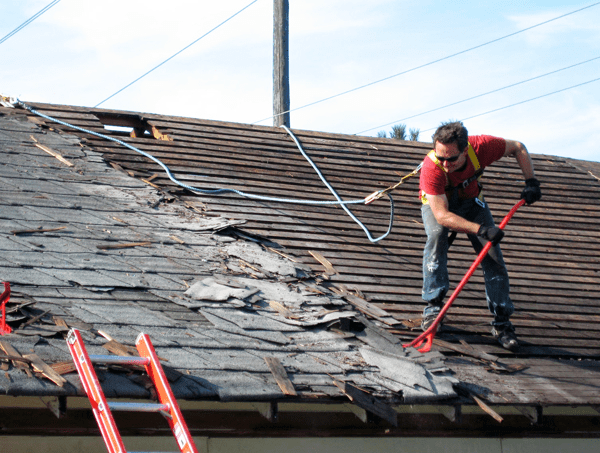
Inspect your roof for any existing damage or wear. Before installing solar panels, it’s crucial to address any issues with your roof’s structure or shingles. Repair or replace damaged shingles and ensure your roof is in good condition to support the weight of solar panels.
Step 3: Choosing the Right Solar Panels
Selecting the right solar panels involves considering factors such as efficiency, durability, and aesthetics. Monocrystalline and polycrystalline panels are among the most popular choices, each offering unique benefits. Your installer can help you choose panels that best suit your budget and energy goals.
Step 4: Installation of Solar Racking and Panels
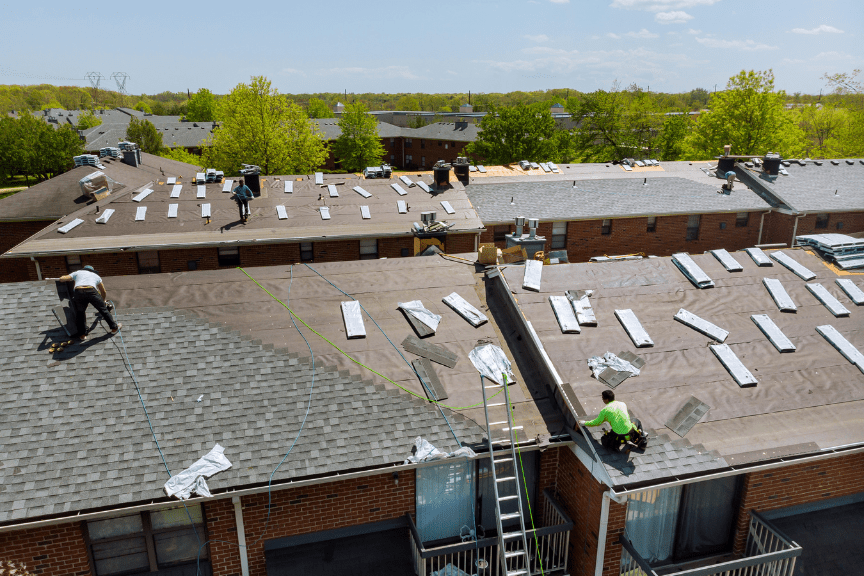
The installation process begins with mounting solar racking onto your roof. Racking serves as the foundation for your solar panels, providing a secure attachment while maintaining the integrity of your roof. Panels are then installed onto the racking system, ensuring they are positioned for optimal sunlight exposure.
Step 5: Electrical Wiring and Connection
Once solar panels are securely mounted, they must be connected to your home’s electrical system. This involves running wires from the panels to an inverter, which converts solar energy into usable electricity. A certified electrician should perform this step to ensure compliance with local building codes and safety standards.
Step 6: Monitoring and Maintenance
After installation, regularly monitor your solar panel system’s performance to ensure it operates efficiently. Clean panels as needed to remove debris and optimize sunlight absorption. Additionally, schedule periodic inspections to detect any potential issues early and extend the lifespan of your solar investment.
Benefits of Replacing Roof Shingles with Solar Panels
Integrating solar panels into your roof offers numerous benefits beyond energy savings. It increases the value of your home, reduces your carbon footprint, and provides a reliable source of renewable energy. Many homeowners also enjoy lower utility bills and potential tax incentives for installing solar.
Conclusion
Learning how to replace roof shingles with solar panels requires careful planning, proper installation, and ongoing maintenance. By following these steps and consulting with professionals as needed, you can successfully transition to solar energy while preserving the integrity of your roof. Embrace the future of sustainable living and reap the rewards of clean, renewable energy for years to come.

Leave a Reply