Metal roofing has become a popular choice for homeowners seeking durability and energy efficiency. However, when installing a metal roof over existing shingles, one common concern is condensation. The transition from a warm attic space to a cool metal surface can create the ideal conditions for condensation to occur. In this article, we will explore the causes of metal roof over shingles condensation and provide solutions to prevent and manage this issue.
Understanding Metal Roof Over Shingles
An Eco-Friendly Choice
Installing a metal roof over existing shingles is an eco-friendly option that reduces the need for shingle disposal. It can also save you time and money by avoiding the labor-intensive process of shingle removal.
Causes of Condensation
1. Temperature Differences
The primary cause of metal roof over shingles condensation is the temperature difference between the warm, humid air inside your home and the cooler metal surface of the roof. When warm, moist air from the interior comes into contact with the cold metal, it can condense into water droplets.
2. Poor Ventilation
Inadequate attic ventilation can exacerbate the condensation problem. Proper ventilation is crucial to maintain a balanced temperature and humidity level in your attic, preventing moisture buildup.
Solutions for Metal Roof Over Shingles Condensation
1. Install a Vapor Barrier
A vapor barrier is a material that prevents moisture from passing through. It is typically installed on the warm side of your attic to separate the interior living space from the attic. A vapor barrier can significantly reduce the amount of warm, moist air that reaches the underside of the metal roof.
2. Improve Attic Ventilation
Proper attic ventilation is key to preventing condensation. Ensure that your attic has adequate soffit and ridge vents to allow for the free flow of air. This helps maintain a consistent temperature and humidity level in the attic, reducing the likelihood of condensation.
3. Use Insulation with a High R-Value
High-quality insulation with a high R-value can help maintain a consistent temperature in your attic. It acts as a thermal barrier, preventing warm air from coming into contact with the cold metal roof. Proper insulation also reduces heat loss during the winter months.
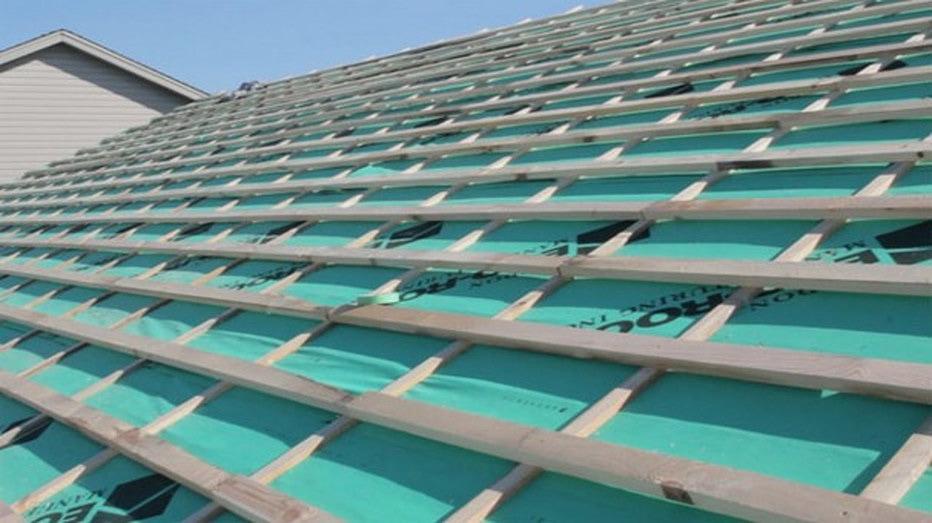
4. Consider a Raised Batten System
A raised batten system involves creating a ventilation space between the existing shingles and the metal roofing material. This space allows for airflow and reduces the chances of condensation. However, this solution may add some complexity to the installation process.
5. Consult a Professional*
Installing a metal roof over shingles can be a complex project. If you are concerned about condensation or any other aspect of the installation, it’s advisable to consult a professional roofing contractor. They can assess your specific situation and recommend the best course of action.
Regular Maintenance
Once your metal roof over shingles is installed, it’s important to conduct regular maintenance to ensure that condensation does not become a problem over time. This includes checking the attic for signs of moisture, inspecting the vapor barrier and insulation, and ensuring that attic ventilation remains effective.
Conclusion
Metal roofing over shingles can be an excellent choice for homeowners seeking durability and energy efficiency. However, addressing metal roof over shingles condensation is a critical aspect of the installation process. By understanding the causes of condensation and implementing the appropriate solutions, you can enjoy the benefits of a metal roof without the worry of moisture-related issues. Remember that consulting with a professional roofing contractor can provide valuable insights and guidance specific to your roofing project.
Leave a Reply