If you’re a backyard chicken owner, finding space for a secure, functional coop can be challenging. A side of house slanted roof coop and run with door is an excellent solution, making efficient use of space while keeping your flock safe. This guide will show you how to design, build, and maintain a coop that fits neatly alongside your home.
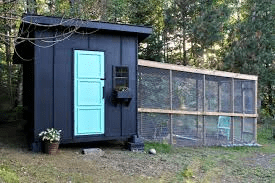
Why Build a Side-of-House Slanted Roof Coop?
Maximizing space and protecting chickens are top priorities. According to the American Pastured Poultry Producers Association, proper shelter reduces stress and increases egg production. Benefits of a side-of-house slanted roof design include:
- Space Efficiency: Utilizes narrow areas alongside your house.
- Weather Protection: Slanted roof allows rain and snow runoff, preventing water damage.
- Easy Access: Integrated door simplifies cleaning, feeding, and egg collection.
- Aesthetic Integration: Fits seamlessly with your home exterior.
“Chickens thrive in environments that are safe, dry, and easy to maintain,” – Karen Miller, Backyard Poultry Specialist.
Read too: How To Replace Roof Shingles That Blew Off: A Comprehensive Guide
Planning Your Coop and Run
Before construction, plan carefully to ensure safety and functionality:
1. Measure Your Space
- Minimum coop size: 3–4 sq ft per chicken inside the coop.
- Run space: 8–10 sq ft per chicken for outdoor activity.
- Height: 4–6 feet for easy access and maintenance.
2. Choose Materials
- Wood: Pressure-treated or cedar for durability.
- Roofing: Corrugated metal or shingles to allow water runoff.
- Wire Mesh: 1/2 inch hardware cloth to keep predators out.
- Door Hardware: Hinges, latches, and optional lock for security.
3. Design Layout
- Coop on the side of house for wind protection.
- Slanted roof with 2–4 degree pitch away from the house.
- Door placement for easy egg collection and maintenance.
- Optional nesting boxes integrated into the side.
Step-by-Step Construction Guide
Materials Checklist
- 2×4 lumber for framing
- Plywood panels for walls
- Corrugated metal or asphalt shingles
- Hardware cloth (1/2 inch)
- Screws, nails, hinges, latches
- Tools: saw, drill, hammer, level, measuring tape
Step 1: Build the Base
- Mark the area on the side of the house.
- Construct a wooden frame with 2x4s for stability.
- Ensure it is level and slightly elevated to prevent flooding.
Step 2: Frame the Walls and Roof
- Build side walls with openings for ventilation.
- Attach a slanted roof frame angled away from the house.
- Cover walls with plywood panels.
Step 3: Install the Roof
- Secure roofing material using nails or screws.
- Overhang slightly to protect walls from rain.
Step 4: Build the Run
- Attach hardware cloth to the base frame for predator-proofing.
- Add vertical supports and cover with mesh.
- Ensure run height allows chickens to move freely.
Step 5: Install Doors
- Coop door: 24” x 24” for easy access.
- Run door: tall enough for adult entry, secure with latch.
- Test all doors for smooth operation.
Step 6: Ventilation and Nesting
- Install vents 6–12 inches from roofline.
- Include 1 nesting box per 3–4 chickens, 12” x 12” each.
Maintenance Tips for Long-Lasting Coop
- Clean bedding weekly and replace with dry straw or shavings.
- Inspect roof and mesh monthly for damage.
- Check latches and hinges to ensure predator-proofing.
- Maintain proper ventilation to prevent respiratory issues in chickens.
Advantages vs Disadvantages
| Advantage | Disadvantage |
|---|---|
| Efficient use of side space | Limited expansion if backyard is narrow |
| Weatherproof with slanted roof | Initial construction can be labor-intensive |
| Easy access via door | Requires regular maintenance |
| Predator protection with mesh | Materials cost may be higher than simple coops |
FAQ
Q1: How many chickens can fit in a side-of-house coop?
A1: Allow at least 3–4 sq ft per chicken inside the coop and 8–10 sq ft per chicken in the run.
Q2: Can I build the coop directly against my house?
A2: Yes, but leave a small gap (2–3 inches) for air circulation and moisture prevention.
Q3: What is the best roof material?
A3: Corrugated metal or asphalt shingles are ideal for slanted roofs due to durability and water runoff.
Q4: How high should the run be?
A4: At least 4–6 feet to allow adult chickens to move comfortably and reduce predator access.
Q5: How often should I clean the coop?
A5: Weekly cleaning of bedding and monthly inspection of structure and doors is recommended.
Q6: Can this design withstand heavy snow?
A6: Yes, but ensure the slant pitch is sufficient (3–4 inches per foot) and the roof material is strong enough for snow load.
Conclusion
Building a side of house slanted roof coop and run with door maximizes space, protects your chickens, and simplifies maintenance. Following this step-by-step guide ensures a safe, functional, and attractive backyard coop. Share this guide with fellow chicken enthusiasts to help them create the perfect side-of-house setup!

Leave a Reply