Roof replacement is a substantial home improvement project that comes with its own set of challenges. While the benefits of a new roof, such as improved energy efficiency and enhanced curb appeal, are well worth the effort, it’s important to be prepared for the disruptions that come with the process. One common concern among homeowners is the noise associated with roof replacement. In this article, we’ll explore the various aspects of a roof replacement project and identify the loudest part of the process.
Understanding the Roof Replacement Process
1. Inspection and Preparation
The process begins with a thorough inspection of your existing roof. This step helps identify any underlying issues that need to be addressed before the new roof is installed. The inspection phase typically involves minimal noise and disruption.
2. Tear-Off*
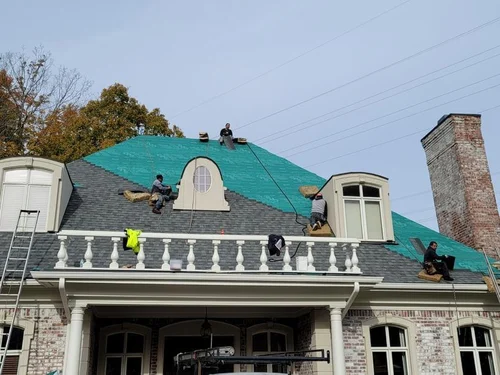
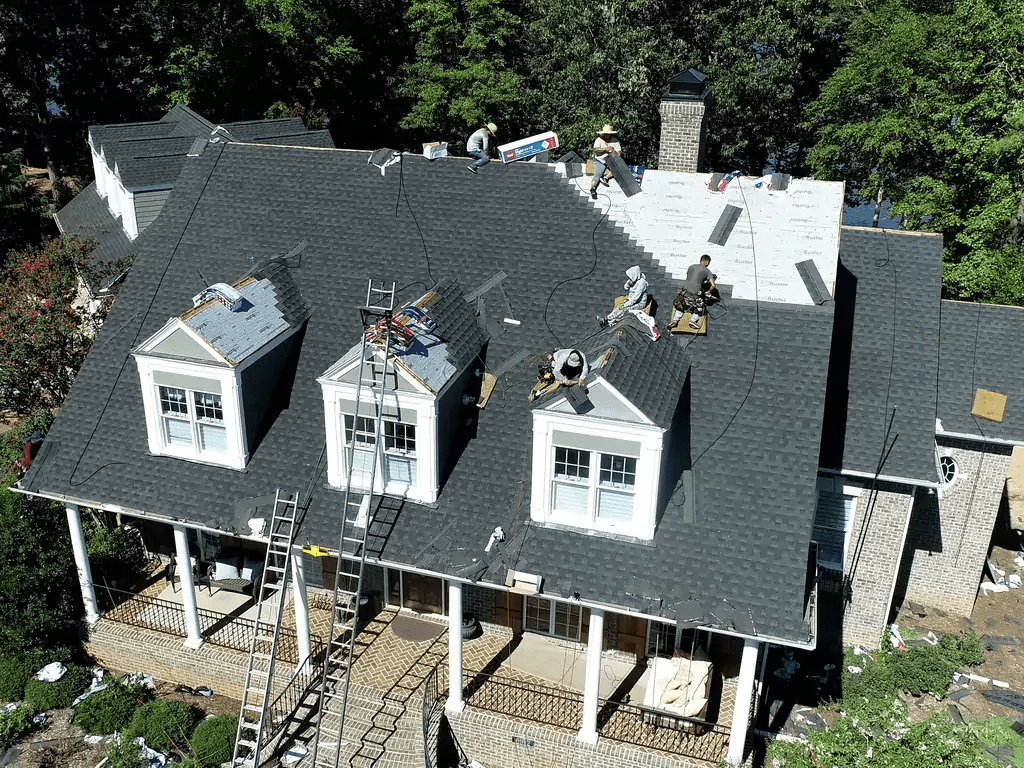
The tear-off phase is where the old roofing material is removed to make way for the new roof. This step involves a significant amount of noise as roofing professionals use tools like shingle removers and pry bars to detach the old roofing material. The noise level during this phase can be quite loud and is often the loudest part of the roof replacement process.
3. Structural Repairs*
If any structural repairs are required, such as fixing damaged roof decking or addressing issues with the roof’s support structure, this phase may also involve some noise. However, the noise level is typically less compared to the tear-off phase.
4. Installation*
The installation of the new roofing material is generally less noisy than the tear-off phase. Roofing professionals work to carefully lay down the new roofing material, whether it’s shingles, tiles, or metal panels. While there may be some noise from tools like nail guns, it is typically less disruptive than the tear-off phase.
5. Clean-Up*
Once the new roof is installed, the clean-up phase begins. This involves removing debris, nails, and any leftover materials from the job site. The clean-up phase is relatively quiet compared to the previous stages of the roof replacement process.
Minimizing Disruptions During Roof Replacement
While roof replacement is inevitably a noisy process, there are steps you can take to minimize disruptions:
1. Communication with Contractors
Discuss the project timeline and noise expectations with your roofing contractor. Knowing when the loudest phases will occur can help you plan accordingly.
2. Temporary Relocation*
Consider temporarily relocating during the tear-off phase if the noise is a significant concern. Staying with friends or family or booking a hotel for a few days can provide a quieter environment during the noisiest part of the project.
3. Noise-Canceling Headphones*
Invest in noise-canceling headphones to help reduce the impact of the noise. These headphones can make it more bearable to stay in your home during the louder phases of roof replacement.
4. Plan Outdoor Activities*
If possible, plan outdoor activities during the noisiest times of the day. This can help you and your family avoid the brunt of the noise.
Conclusion
Roof replacement is a necessary home improvement project that can provide numerous benefits, but it does come with some disruptions, with the tear-off phase being the loudest part of the process. By understanding the different phases of a roof replacement project and taking steps to minimize disruptions, you can ensure a smoother experience and a quieter living environment during this essential home improvement endeavor.
Leave a Reply